Water can look clear while a slick film develops on the surface. Placement, material, heat, food debris, and fountain parts all affect cleaning frequency. By the end, you will have a small setup or routine you can repeat, observe, and adjust without pushing your pet through discomfort.
Complete six short steps in order. Keep the environment stable, watch your pet's response, and stop at the last version that still feels easy.
Choose reliable anchors
Refresh bowls daily and wash them rather than simply topping up old water.
Separate preparation from handling. Let the surface, tool, sound, and human posture become familiar before combining them into a care procedure.
Did you change only one meaningful variable during this attempt?
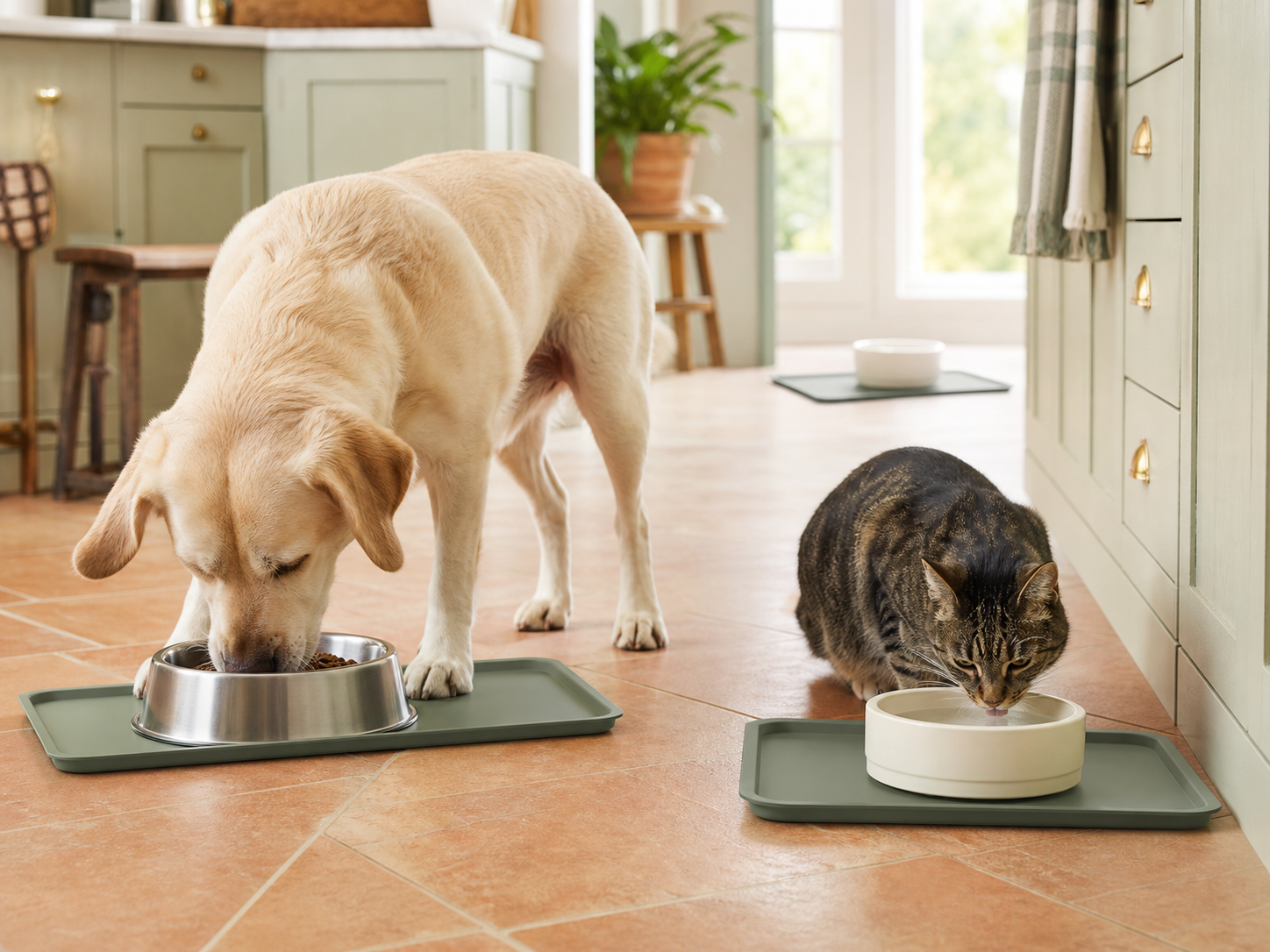
Place water away from litter, direct sun, busy doorways, and areas where one pet can guard access.
Work from an easy body area toward the sensitive one, releasing before your pet pulls away. Voluntary stillness is more informative than restraint.
Can you identify an obvious stopping point before discomfort or frustration appears?
Build a repeatable rhythm
Use more than one station in larger or multi-level homes and in households with multiple pets.
Use enough light to see skin, nails, ears, coat, or equipment clearly. Guessing increases both physical risk and your pet's uncertainty.
Does the setup still provide easy access to rest, water, food, toileting, and retreat?
Disassemble fountains on the manufacturer's schedule, cleaning the pump, corners, filter area, and tubing rather than only the basin.
Complete one small unit, then reassess posture, breathing, and willingness to return. The planned checklist never outranks the animal in front of you.
Would a veterinarian or qualified behavior professional have enough observations to understand the pattern?
When the day changes
Track sudden increases or decreases in drinking instead of trying to diagnose the cause at home.
Clean and store tools after the session, and note anything that changed since the previous check. Consistent records make subtle problems easier to notice.
Can your pet pause, move away, and return without being guided or restrained?
Contact a veterinarian about meaningful thirst changes, repeated empty bowls, vomiting, weakness, or urinary changes.
Ask a veterinarian or qualified groomer to demonstrate unfamiliar techniques. Written education cannot replace hands-on guidance for procedures with injury risk.
Is the successful version written clearly enough for another household member to repeat?
Common mistakes
- Combining restraint, a new tool, an unfamiliar sound, and a full procedure in one session.
- Continuing to complete the checklist after the pet's comfort has deteriorated.
- Attempting unfamiliar procedures without adequate light or professional demonstration.
Complete the lesson
Use one ordinary situation from your own home and make a short observation record for “How to Keep Water Stations Fresh.”
- Prepare the easiest safe version before inviting your pet to participate.
- Complete only the first two steps and record body language, appetite, movement, or recovery.
- Repeat on another day before increasing difficulty.
- Write one sentence describing what you will keep, simplify, or ask a professional about.
Health and safety note
Petinya provides general educational information. Sudden behavior change, pain, breathing difficulty, collapse, injury, inability to eat or drink, urinary trouble, or persistent distress needs prompt professional veterinary advice.
Key takeaway
Multiple clean water options, daily refreshing, and regular bowl or fountain maintenance make drinking easier to monitor. Keep the environment predictable, let your pet communicate, and choose changes small enough that both of you can repeat them. Clear observations will always be more useful than trying to meet someone else's timeline.