
The 3-3-3 Rule for Rescue Dogs, Explained
Use the 3-3-3 rule as a loose settling-in map, not a deadline your rescue dog has to meet.
Start the lessonBrowse 50 beginner-friendly lessons with learning goals, preparation, six guided steps, comfort checks, troubleshooting, and a practice assignment.
Use the 3-3-3 rule as a loose settling-in map, not a deadline your rescue dog has to meet.
Start the lesson
Start a new cat in one calm room with several resting choices instead of assigning a single perfect bed.
Start the lesson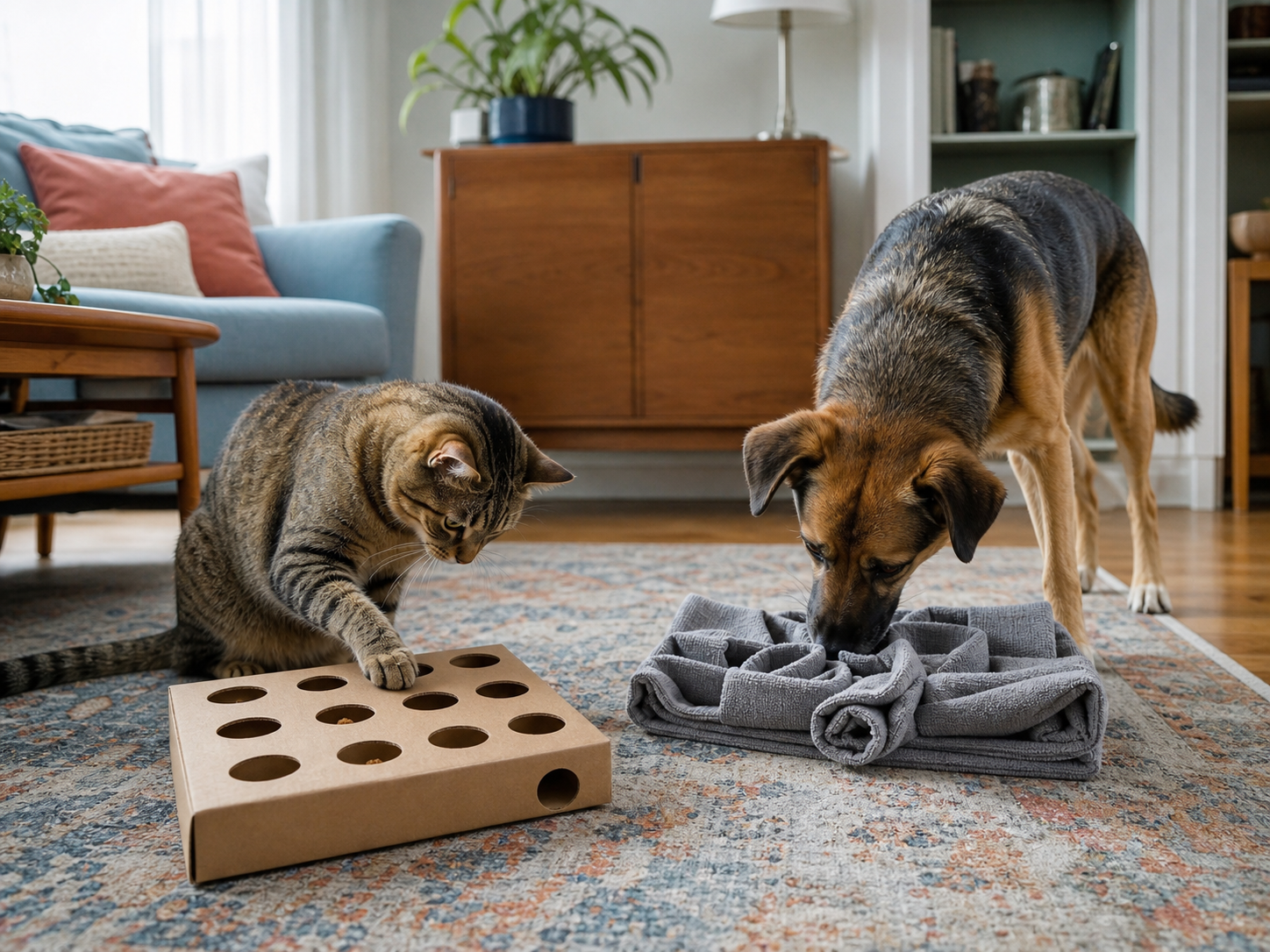
Short sniffing, chasing, and searching games can take the edge off a restless indoor day without turning the living room into an obstacle course.
Start the lesson
A weekly check and a flexible wash rhythm work better than one rigid schedule for every bed, blanket, and household.
Start the lesson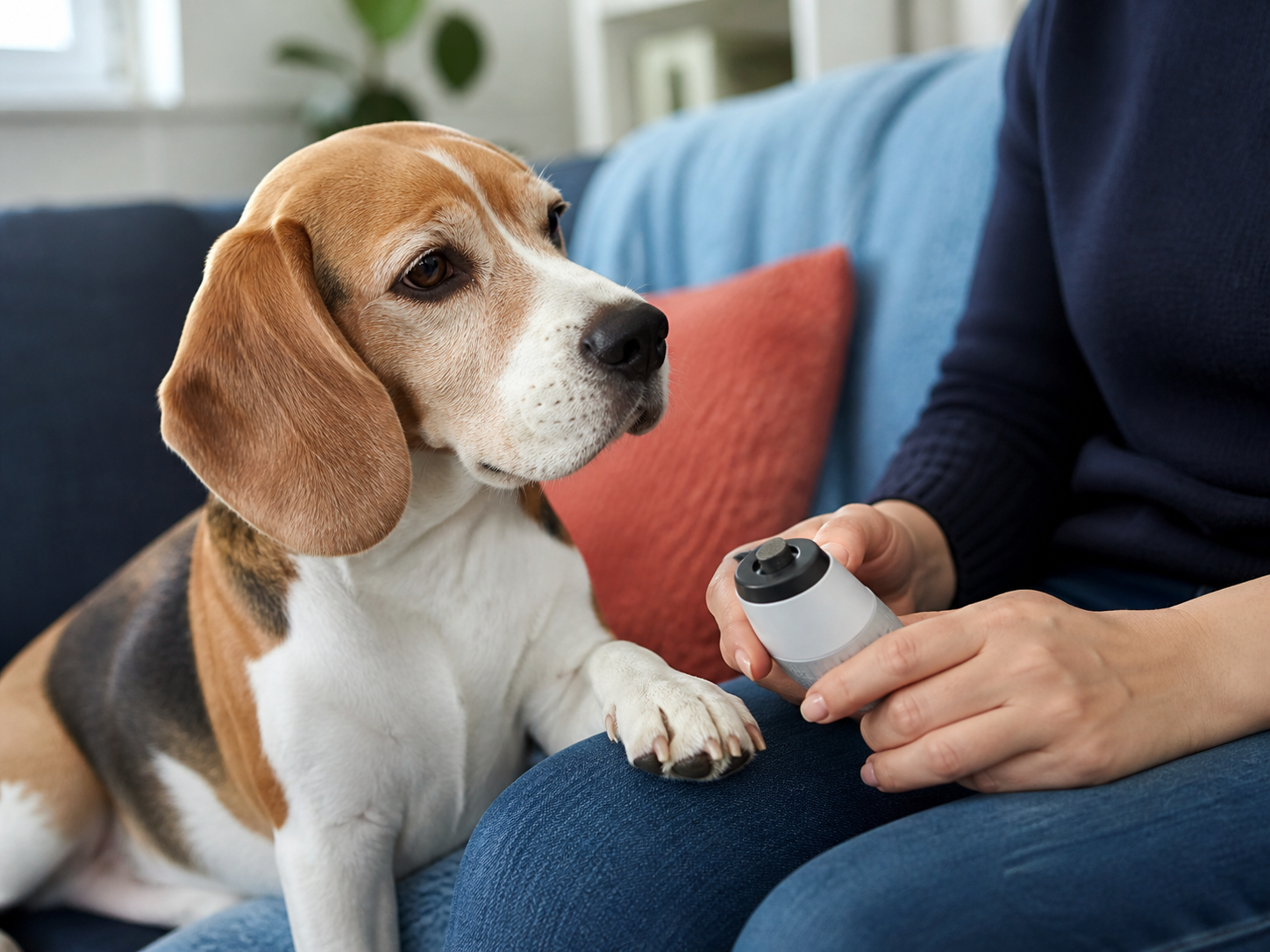
Make the place, posture, tools, and exit predictable before you try to shorten a single nail.
Start the lesson
A quiet first week built around sleep, short toilet trips, and predictable meals gives a rescue dog room to decompress.
Start the lesson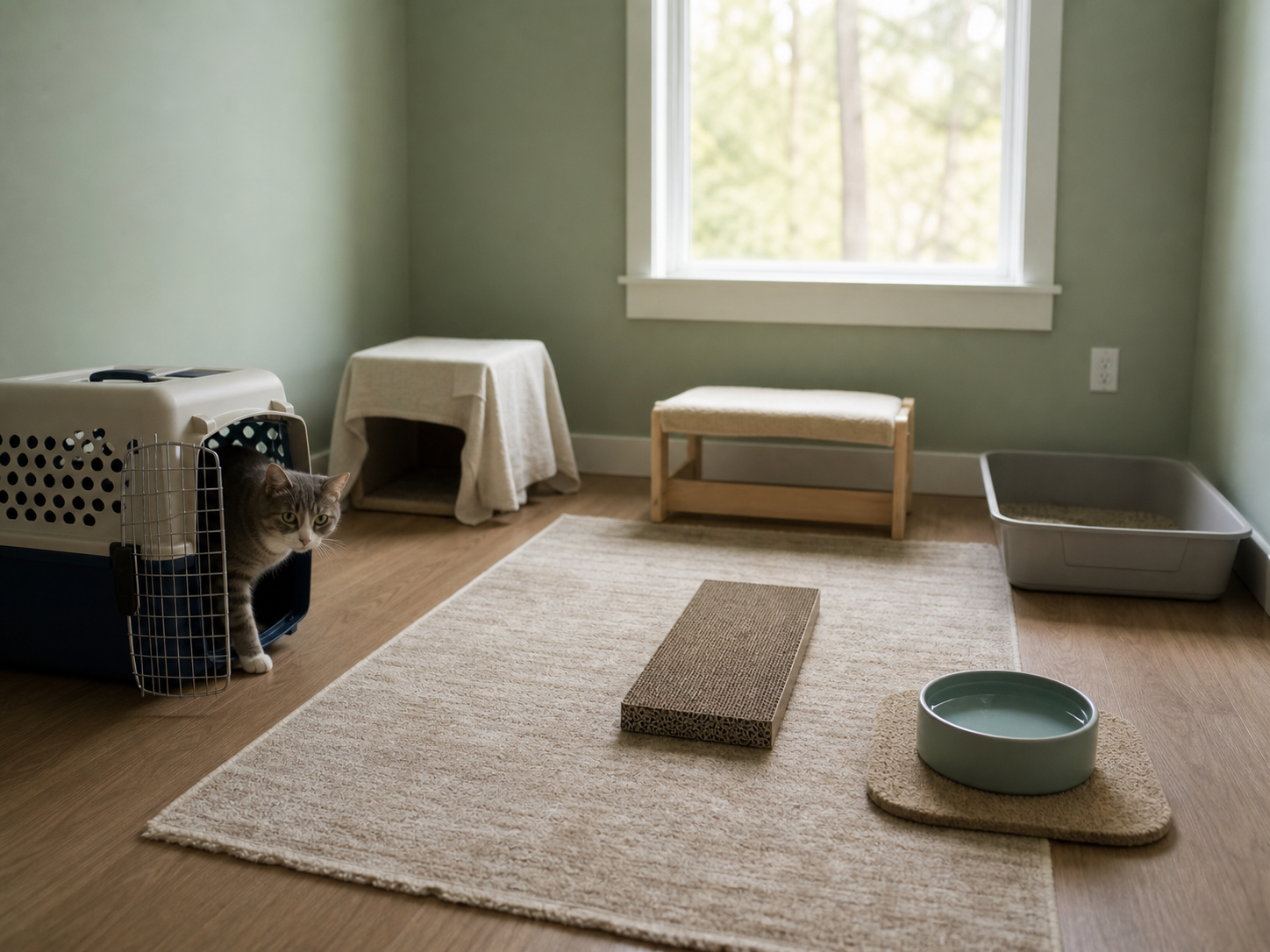
A well-arranged starter room gives a new or stressed cat cover, height, resources, and a predictable way to interact.
Start the lesson
Ten small checks spread across the week are easier to maintain than a single exhausting pet-care day.
Start the lessonEffective enrichment gives a pet a safe problem to solve, a real choice, and a satisfying end point.
Start the lesson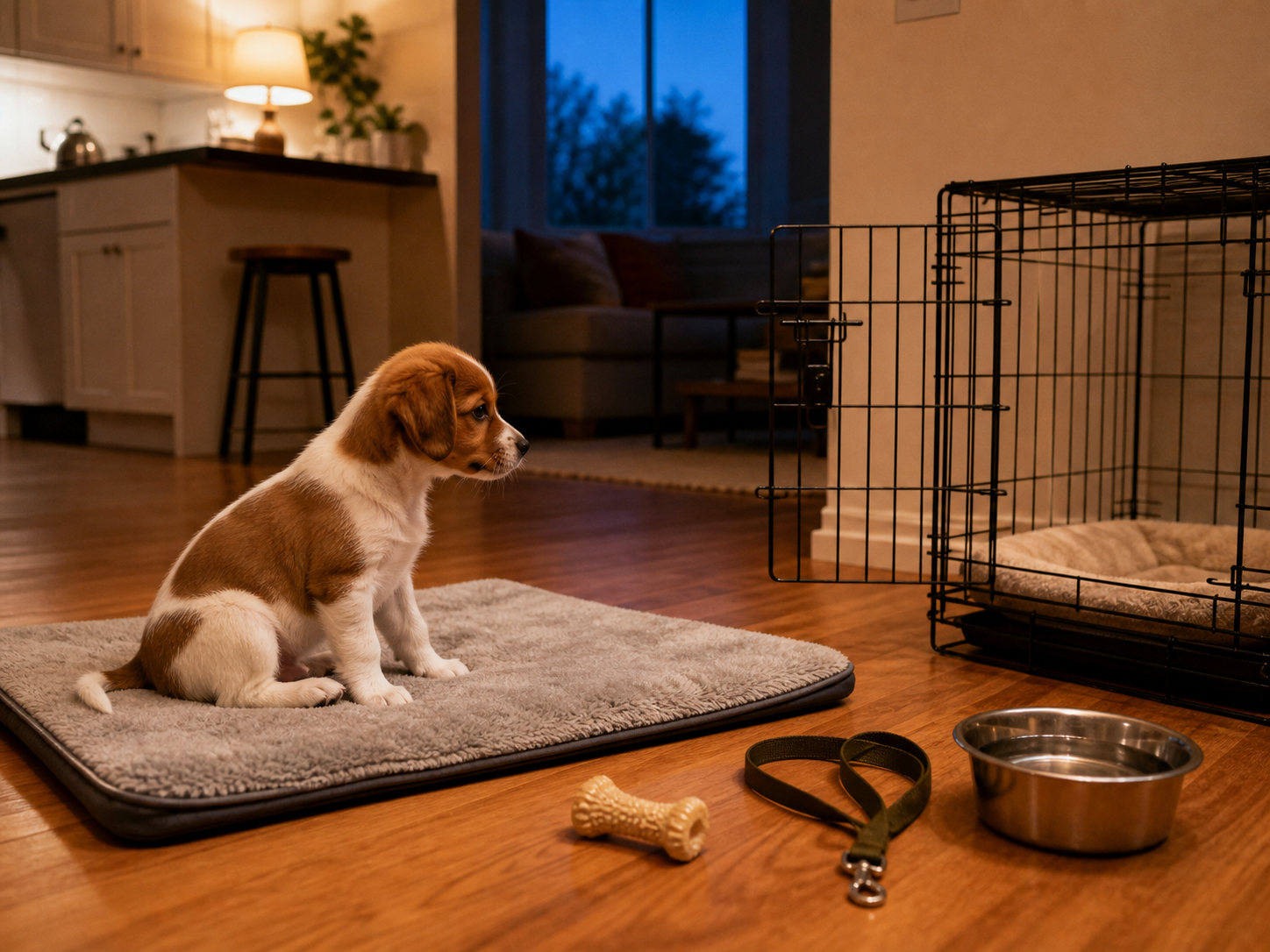
Keep the first evening short on introductions and long on toilet opportunities, calm observation, and sleep.
Start the lesson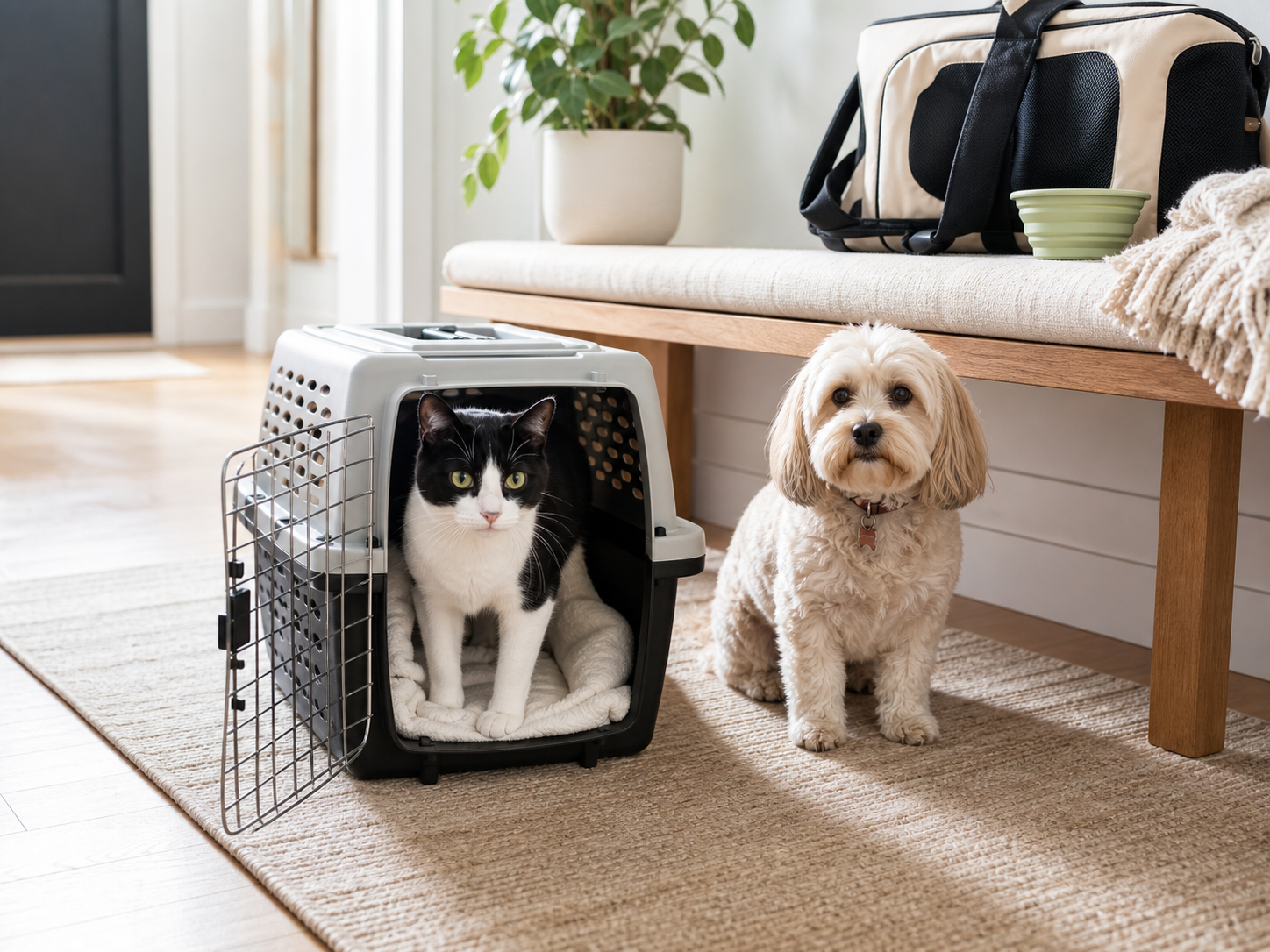
Turn the carrier into ordinary furniture between trips so entering it is not always followed by travel or restraint.
Start the lesson
Turning away, freezing, lip licking, and moving behind a person can all be requests for distance before a growl appears.
Start the lesson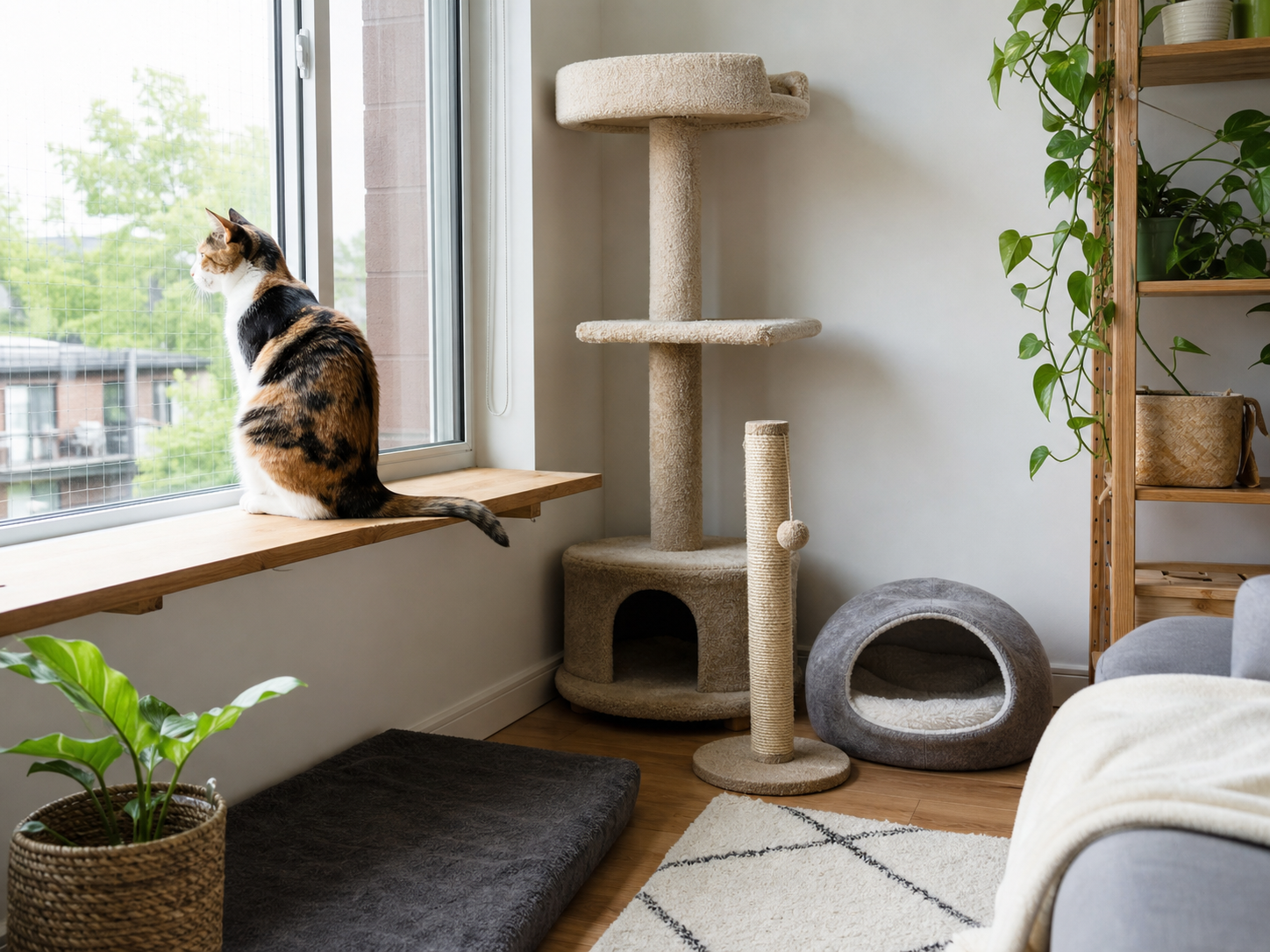
Several resting options let a cat adjust for temperature, privacy, height, sunlight, household activity, and social distance.
Start the lesson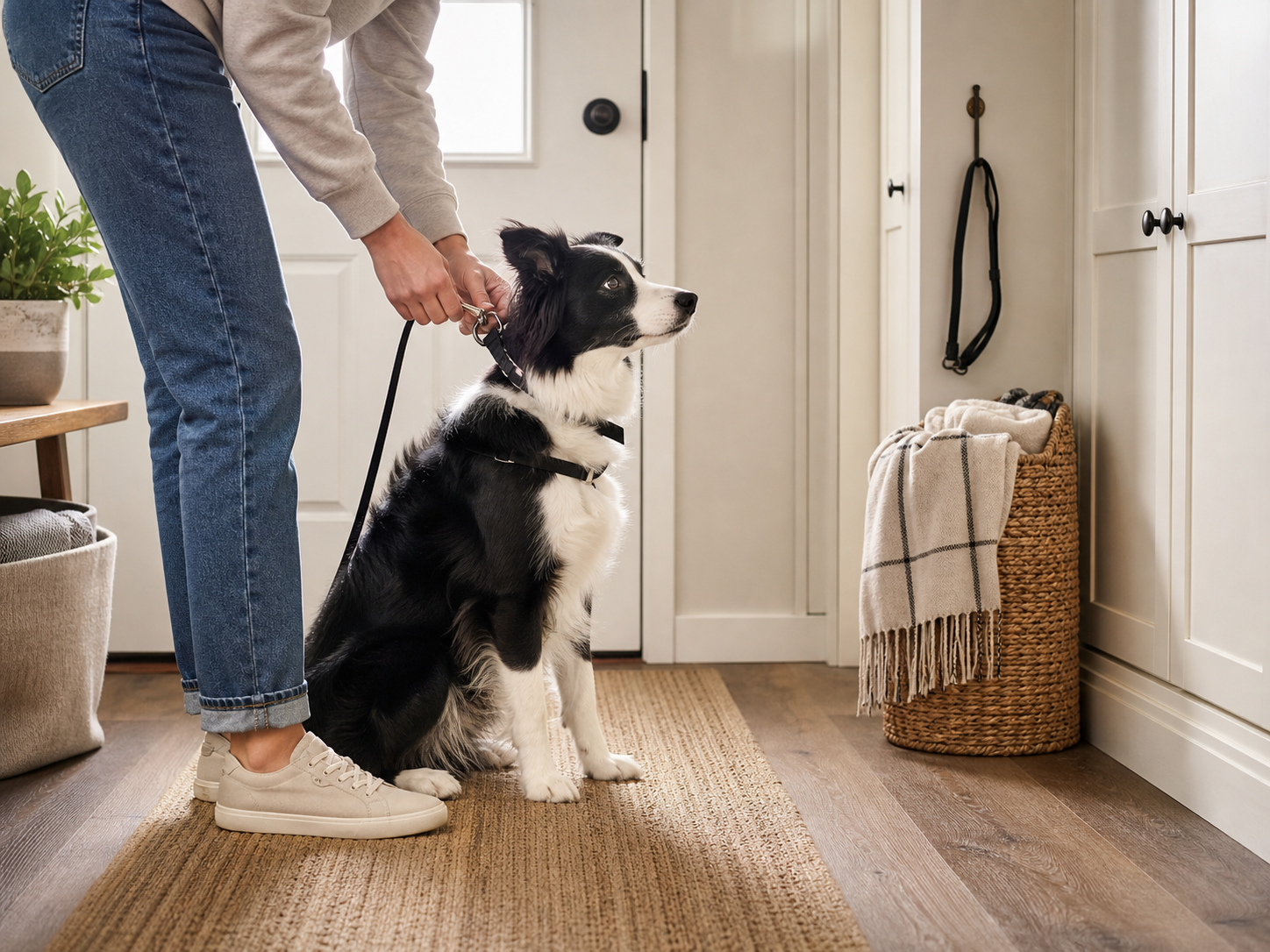
Build the morning around three anchors: toilet needs, a chance to sniff and move, and a calm transition when you leave.
Start the lesson
A short hunt-play-eat-wind-down sequence can make evenings more predictable for an indoor cat and household.
Start the lessonKeep a small active set, store the rest, and rotate by play style instead of buying a new toy whenever interest fades.
Start the lesson
Remove access first, then add physical protection and a better activity instead of relying on bitter sprays alone.
Start the lesson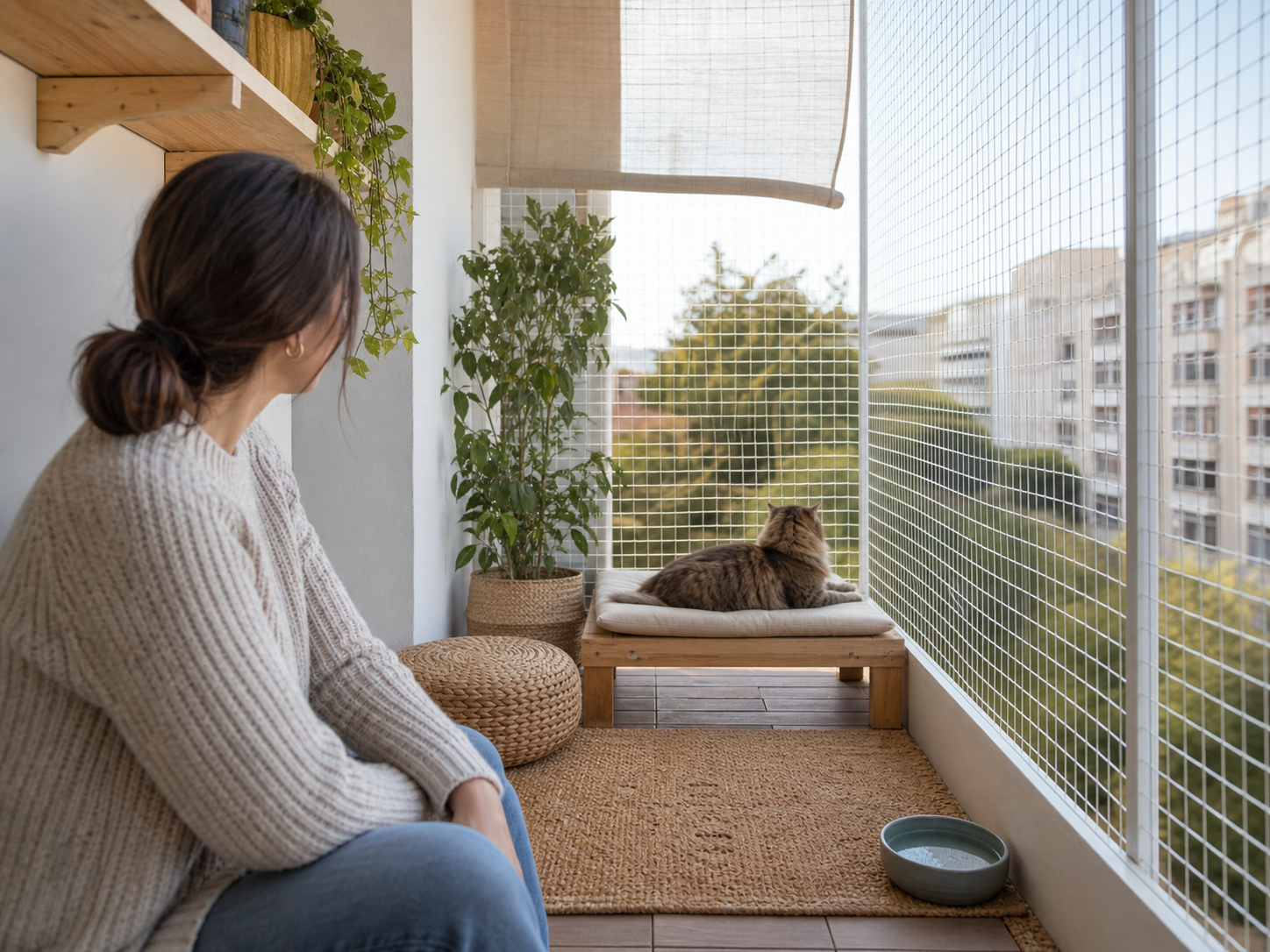
A balcony is only a cat space after it is fully enclosed, inspected, and used with a consistent supervised routine.
Start the lesson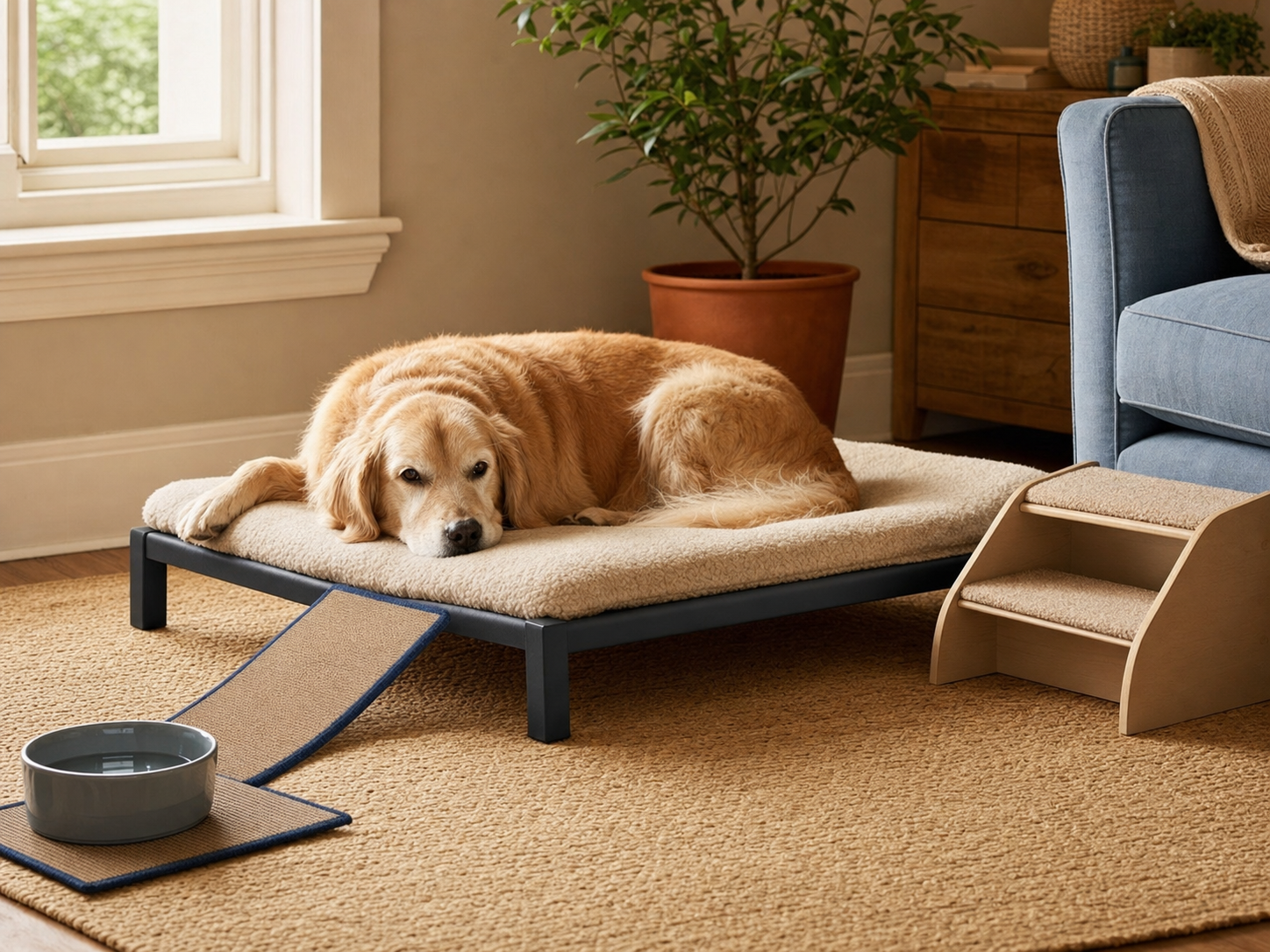
Prioritize traction, easy access, temperature comfort, and family connection over a bed that only looks attractive.
Start the lessonConfidence grows when a shy cat can predict people, control distance, and succeed at tiny explorations without being pulled from hiding.
Start the lesson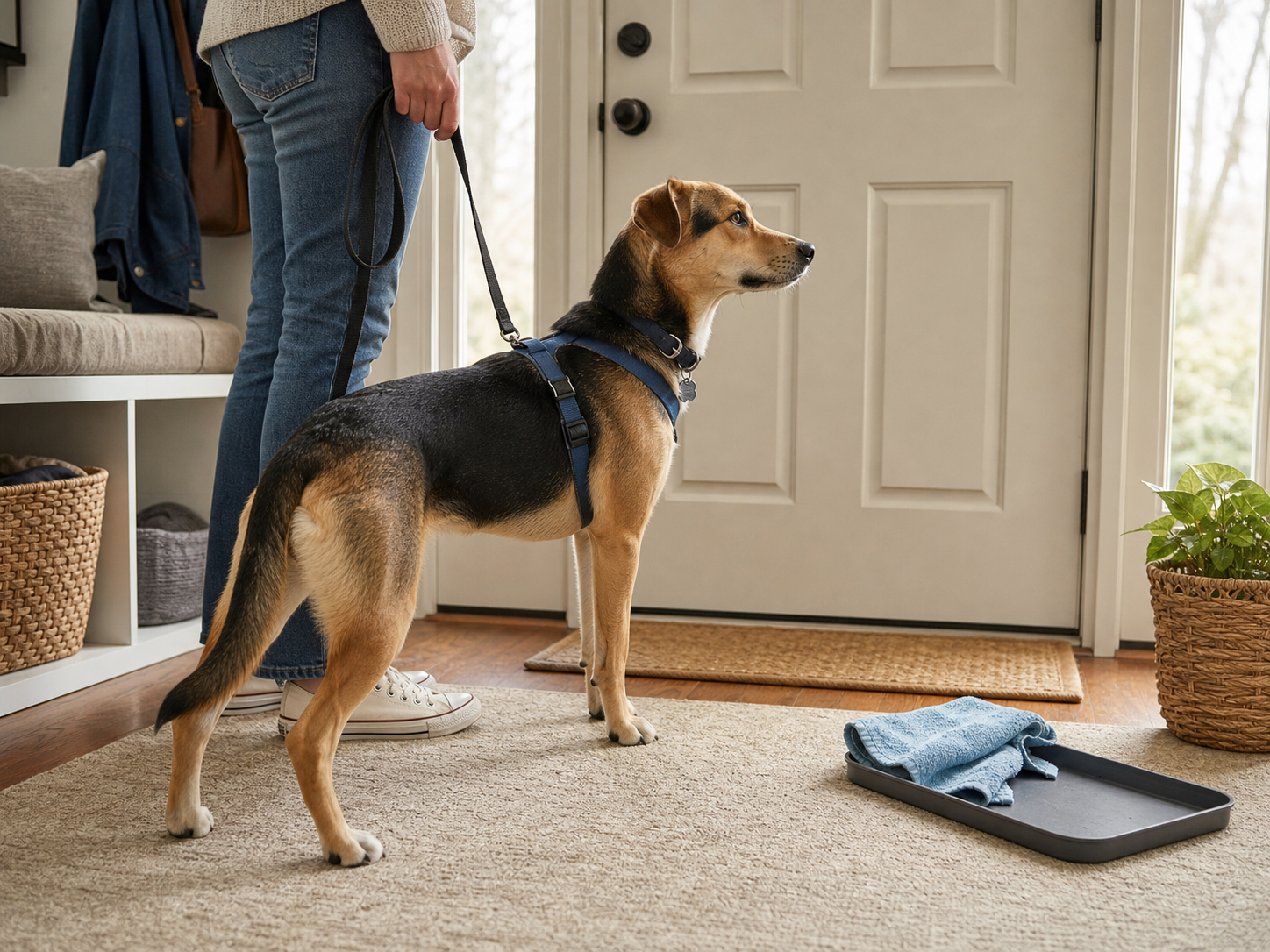
Teach a brief pause at doors as a cooperative safety habit, not a test of dominance or an excuse to frustrate an excited dog.
Start the lesson
A stable bowl, washable mat, nearby storage, and clear cleaning rhythm make feeding easier without turning it into a design project.
Start the lessonStart easy enough that your pet can learn the puzzle's rule, then increase one small challenge at a time.
Start the lesson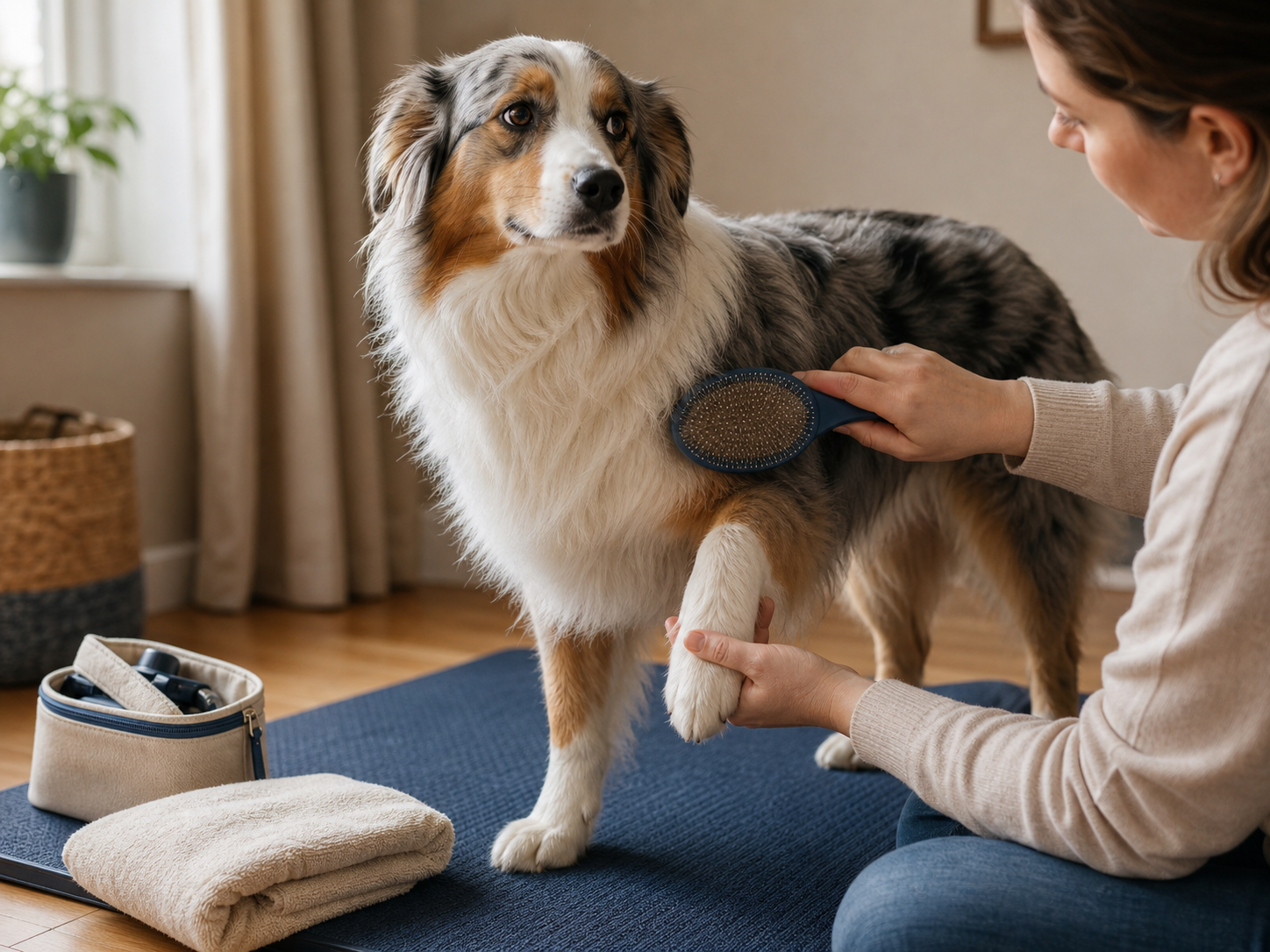
Introduce sight, sound, touch, and movement separately so a brush or dryer does not arrive as one overwhelming event.
Start the lessonA quick look between toes and around pads can catch grit, seeds, salt, ice, and small injuries before they become harder to manage.
Start the lessonPack familiar routines before novelty: identification, usual food, medication, sleep setup, lead, cleaning supplies, and clear records.
Start the lesson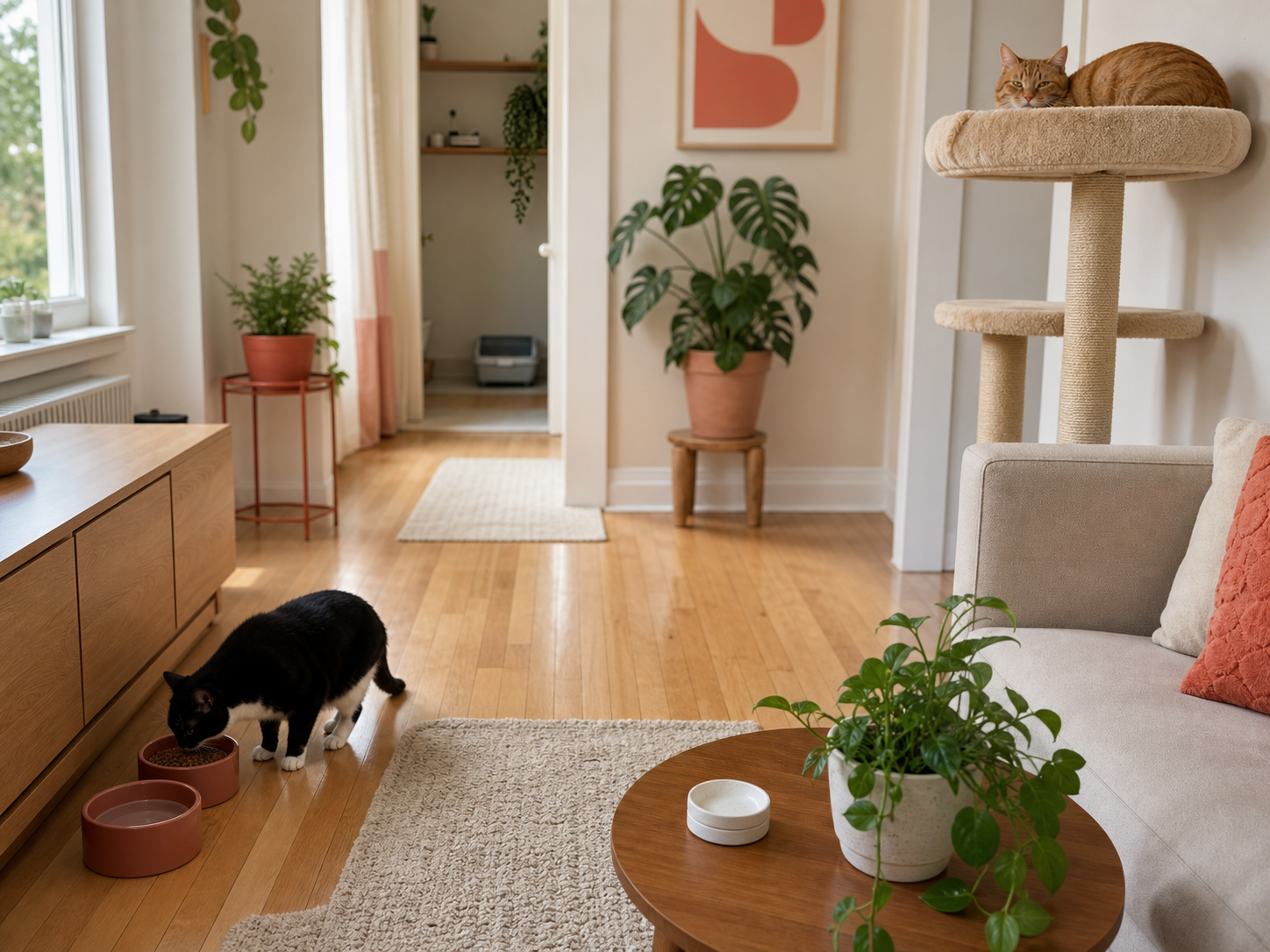
Pair scooping with stable daily anchors and use a weekly inspection to catch odor, litter depth, damage, and location problems.
Start the lessonLook at the full twenty-four hours—sleep, play, meal timing, reinforcement, and health—before trying to ignore early waking.
Start the lessonPost-walk bursts can reflect excitement, stress release, or an abrupt transition; a short decompression sequence often helps.
Start the lessonDesign the doorway for safe arrivals: traction, lead storage, wiping supplies, barriers, and enough room to pause before the home opens up.
Start the lessonUse vertical space, distributed resources, and multipurpose furniture so a small floor plan still offers choice and distance.
Start the lesson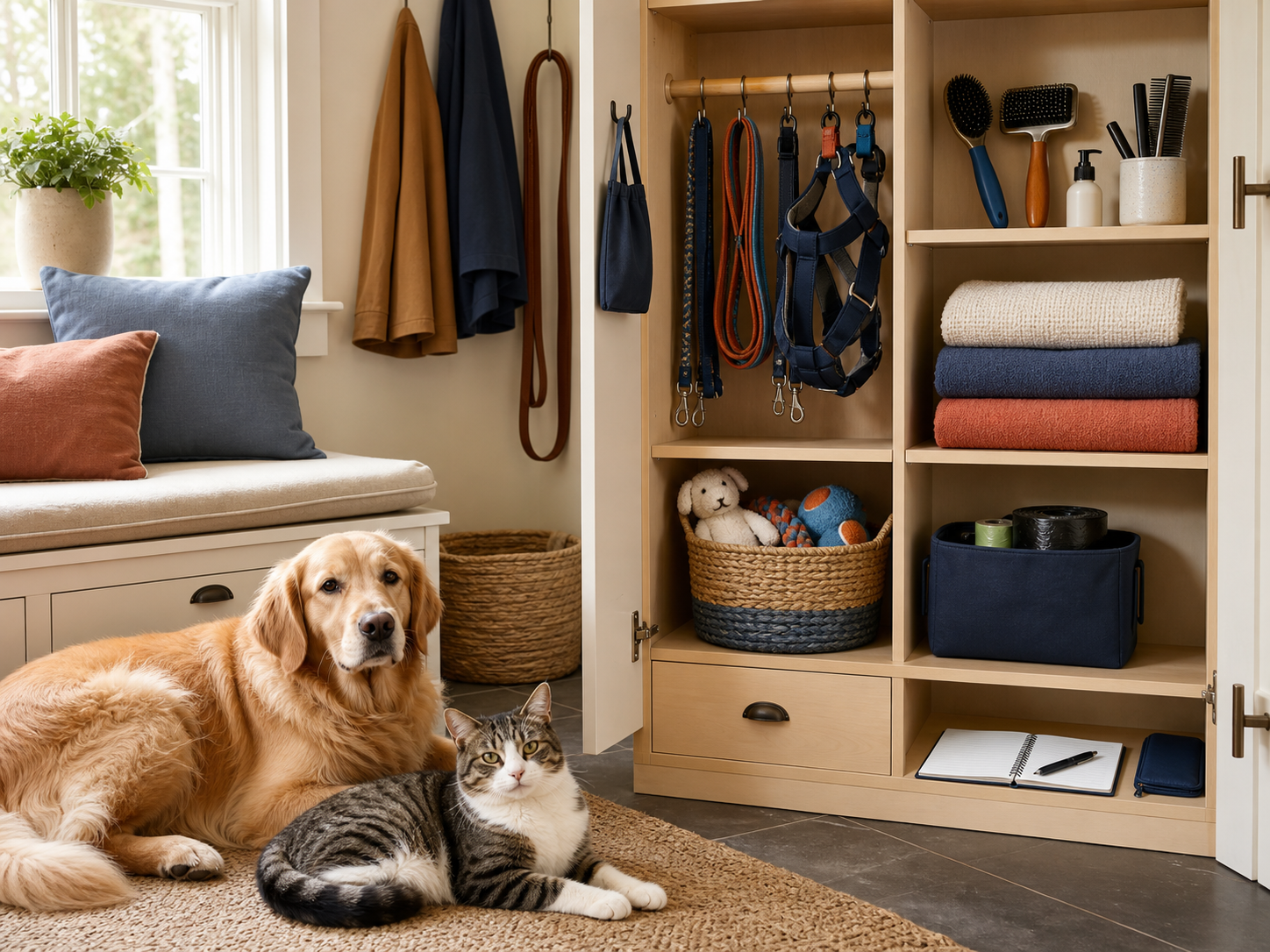
Five minutes checking seams, surfaces, size, cleanliness, and play style can prevent a worn toy from quietly becoming a hazard.
Start the lessonMultiple clean water options, daily refreshing, and regular bowl or fountain maintenance make drinking easier to monitor.
Start the lessonConsistent meal windows give a new pet one reliable event and make appetite, toileting, and medication observations easier.
Start the lessonSlow introductions, duplicated resources, scent exchange, and short positive sessions reduce the need for cats to negotiate under pressure.
Start the lesson
Reduce exposure, create a retreat, and pair very low-intensity sound with safety instead of forcing a dog to endure the vacuum or blender.
Start the lessonUse visible household rules and active adult supervision so the pet never has to teach a child when contact is too much.
Start the lessonDecide where the pet waits, how the visitor enters, and whether interaction happens before the doorbell rings.
Start the lessonSeparate pets from active cleaning, follow product labels, ventilate, rinse when directed, and store supplies securely before access returns.
Start the lessonFavor tightly woven, removable, colorfast surfaces with realistic care instructions over fabrics marketed with vague pet-proof claims.
Start the lessonA stable perch, secure window, comfortable temperature, and easy exit can turn ordinary outdoor movement into safe daily enrichment.
Start the lessonSlow the route, choose quieter edges, and build deliberate sniff stops so a short walk offers more information and less rushing.
Start the lessonLook for repeating patterns—attention seeking, scavenging, pacing, object stealing, or rough play—while also ruling out stress and health causes.
Start the lessonBalanced play contains pauses, role changes, and easy exits; one-sided chasing, blocking, and persistent distress need intervention.
Start the lessonWork in short sections on a nonslip surface, check the skin, and stop before pulling turns grooming into a struggle.
Start the lessonStore each supply near the behavior it supports while keeping food, medication, cleaners, and small objects securely inaccessible.
Start the lessonUse one short weekly reset to inspect supplies, wash high-touch items, check equipment, and note changes before Monday gets busy.
Start the lessonPrepare the carrier and safe room early, secure the cat before doors open, and expand the new home from one familiar base.
Start the lessonProtect a few familiar anchors, shift times gradually when possible, and add calm transition cues around the parts of the day that changed.
Start the lessonA useful hand-off note explains normal routines, exact care instructions, safety rules, emergency contacts, and what changes should trigger a call.
Start the lessonEach lesson defines a small goal, prepares the environment, teaches six observable steps, checks the pet's comfort, identifies common mistakes, and ends with an exercise for your own home. We do not diagnose illness or replace individualized veterinary advice.
Read our teaching and editorial standards