The most practical material is one your household can actually clean, dry, replace, and live with. Texture, claw snagging, hair contrast, and machine capacity matter. By the end, you will have a small setup or routine you can repeat, observe, and adjust without pushing your pet through discomfort.
Complete six short steps in order. Keep the environment stable, watch your pet's response, and stop at the last version that still feels easy.
Design the setup
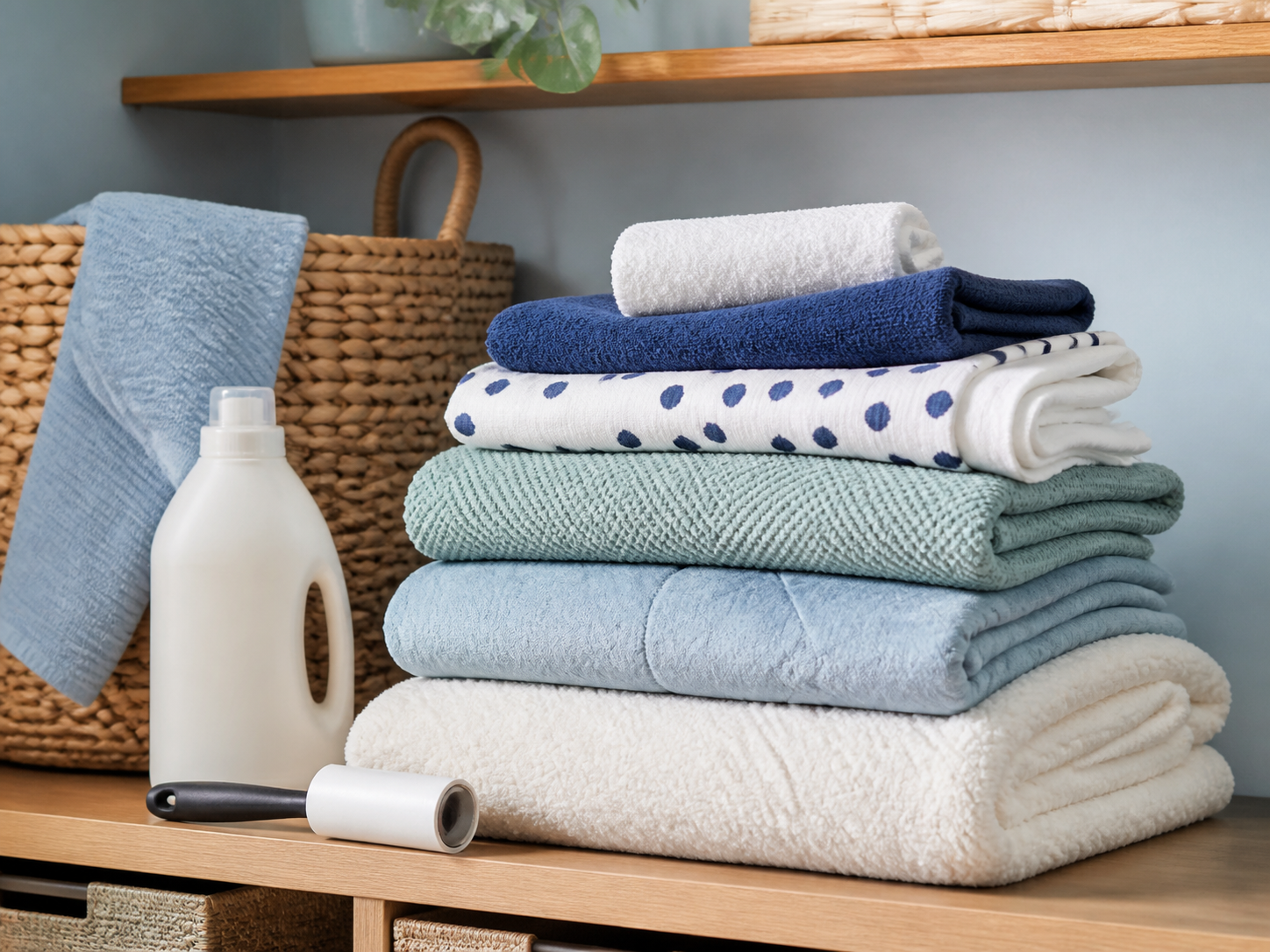
Check whether covers are removable and whether they fit your washer once wet; oversized washable items may still be impractical.
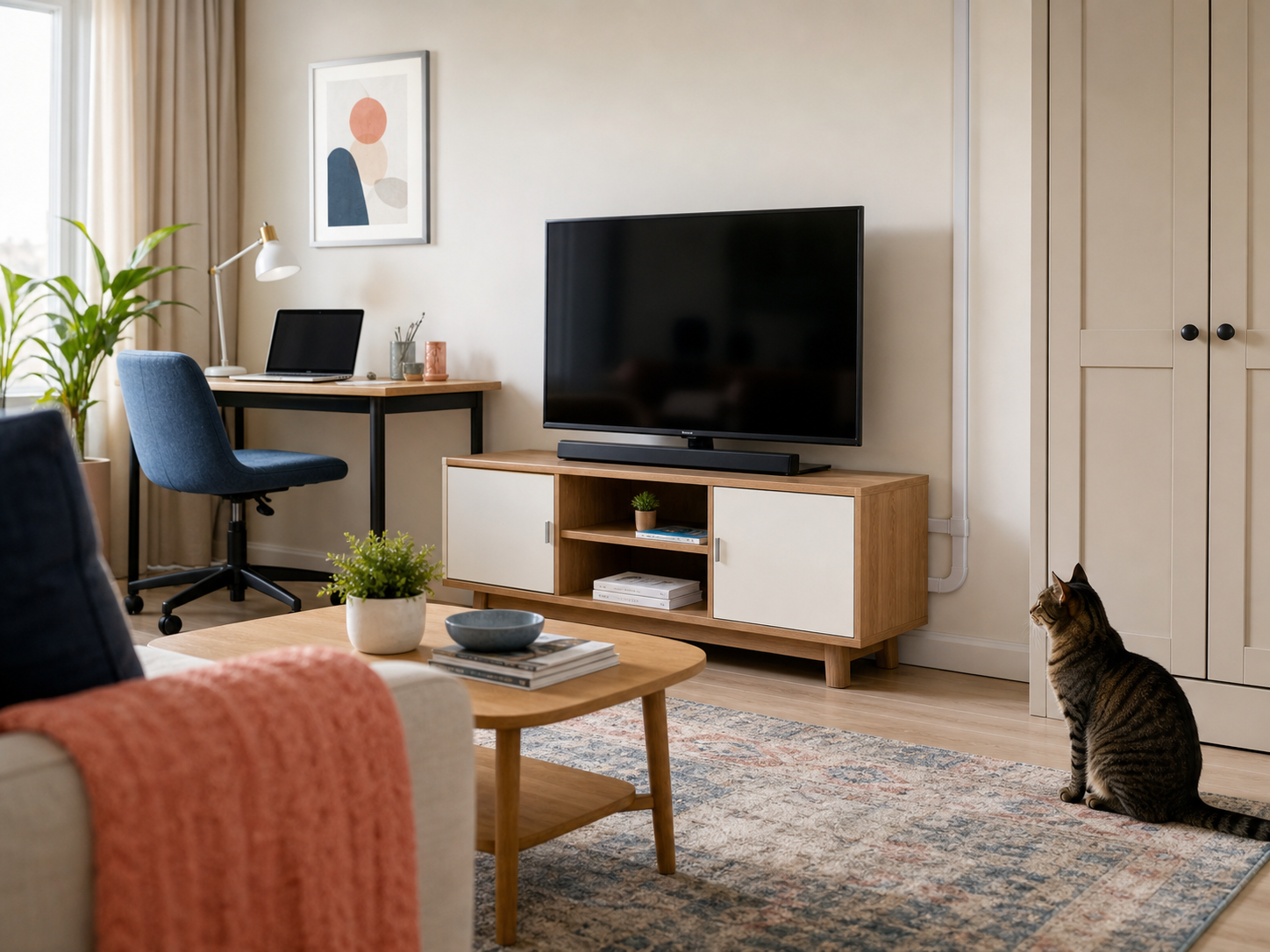
Inspect the environment from floor level and follow the routes your pet actually uses. Human eye level misses cables, gaps, sharp edges, and unstable objects.
Did breathing, posture, appetite, movement, or play remain close to the pet's normal baseline?
Choose tighter weaves that resist snagging and release hair more easily than loose loops or delicate textures.
Remove the hazard before trying to teach avoidance. Management provides immediate safety while habits and supervision develop.
What happened immediately before the response, and what changed when difficulty was reduced?
Put it into everyday use
Test colorfastness and cleaning products on a hidden area before treating a visible stain.
Check whether the new arrangement blocks food, water, litter, rest, or retreat. A safety change should not create resource conflict.
Did you change only one meaningful variable during this attempt?
Layer small washable throws on high-use areas instead of waiting to clean an entire sofa.
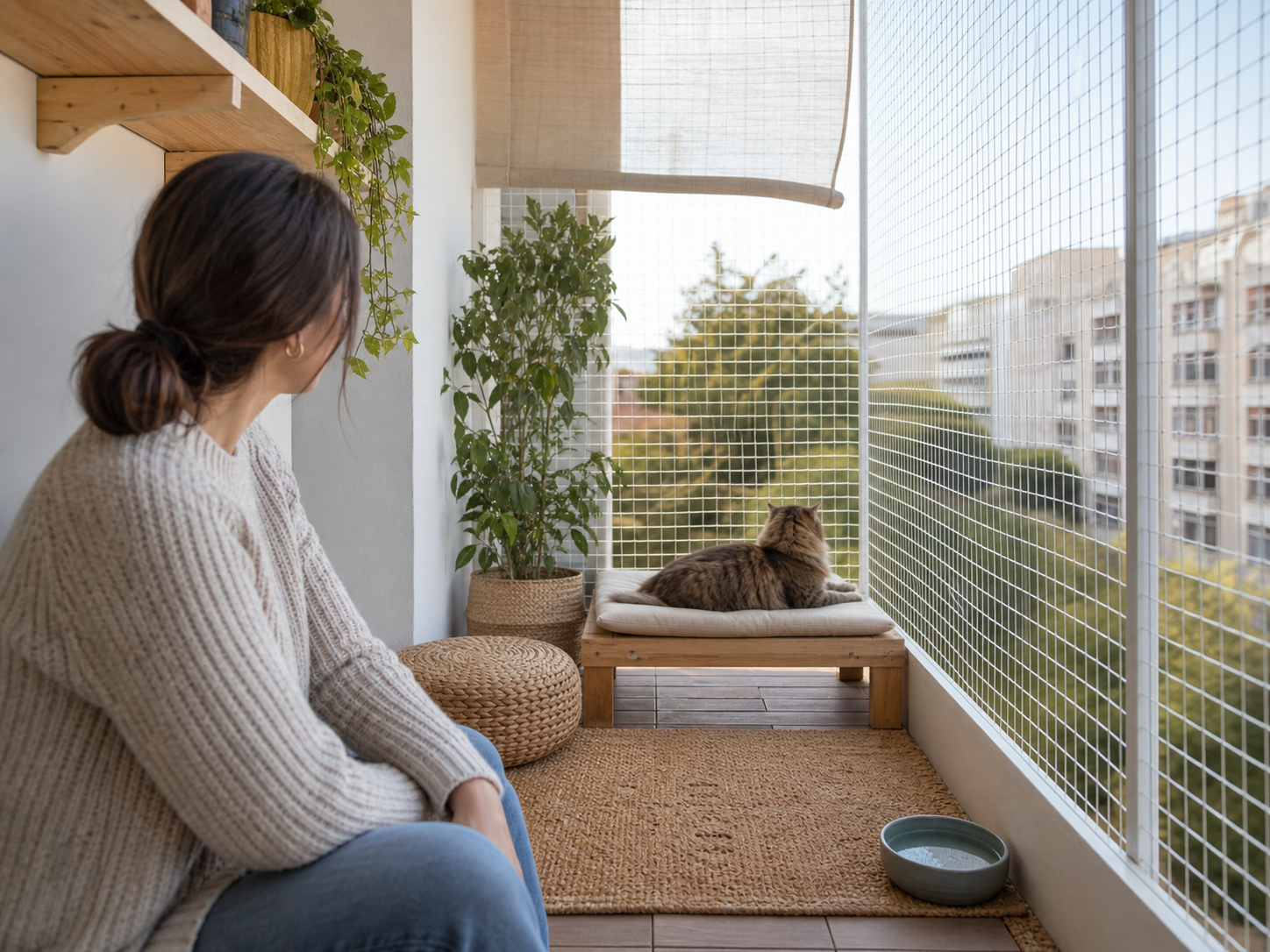
Test gates, lids, screens, storage, and furniture under realistic pressure. A visual barrier is not useful if it shifts, tips, or leaves a reachable gap.
Can you identify an obvious stopping point before discomfort or frustration appears?
Keep it working
Keep spare covers and rotate them so the pet retains a familiar resting place during laundry.
Introduce the changed room calmly and watch movement rather than luring the pet past uncertainty. Give them time to map the new paths.
Does the setup still provide easy access to rest, water, food, toileting, and retreat?
Trim loose threads and repair opened seams promptly to prevent chewing, swallowing, or further unraveling.
Repeat the audit after growth, mobility changes, a move, new furniture, or a new animal. Pet-proofing is a maintenance routine, not a one-time event.
Would a veterinarian or qualified behavior professional have enough observations to understand the pattern?
Common mistakes
- Relying on verbal correction while leaving the physical hazard accessible.
- Installing barriers that also block safe routes to rest or essential resources.
- Completing one audit and never reviewing the home after circumstances change.
Complete the lesson
Use one ordinary situation from your own home and make a short observation record for “Choosing Washable Fabrics for a Pet Home.”
- Prepare the easiest safe version before inviting your pet to participate.
- Complete only the first two steps and record body language, appetite, movement, or recovery.
- Repeat on another day before increasing difficulty.
- Write one sentence describing what you will keep, simplify, or ask a professional about.
Health and safety note
Petinya provides general educational information. Sudden behavior change, pain, breathing difficulty, collapse, injury, inability to eat or drink, urinary trouble, or persistent distress needs prompt professional veterinary advice.
Key takeaway
Favor tightly woven, removable, colorfast surfaces with realistic care instructions over fabrics marketed with vague pet-proof claims. Keep the environment predictable, let your pet communicate, and choose changes small enough that both of you can repeat them. Clear observations will always be more useful than trying to meet someone else's timeline.